IATA and WSHA to Collaborate on Sustainable Hotel Procurement
BRUSSELS, BTNp: AS GOVERNMENTS are now aligned with the industry’s commitment to decarbonize aviation by 2050, IATA’s World Sustainability Symposium (WSS) brings together industry and governments to debate and discuss the key enablers for aviation’s successful decarbonization.
The aim of WSS is to gather and support the global community of sustainability experts needed to realize aviation’s biggest challenge ever. The 2025 edition brought 500 delegates to Hong Kong (SAR), China.
This year, the WSS experience is elevated with complimentary access to Wings of Change Europe (WOCE), IATA’s leading European advocacy forum, happening in the same venue, the following day, 15 October.
Wings of Change Europe (WOCE) is a flagship industry event in the region where aviation leaders, regulators, and subject matter experts come together to discuss air transport’s top issues and opportunities to jointly agree on future actions to better utilize air transport as an engine of economic and social development across the European region.
WOCE 2025 edition primarily focused on what is required for aviation to improve its environmental and financial sustainability and navigate through current challenges. This included the environment, infrastructure, and capacity, as well as passenger experience. Europe’s flagship aero-political event once more shined the spotlight on industry leaders and policy-makers and included lively debates to shape the air transport of the future. The 2025 edition of WOCE took place on 18-19 November in Brussels, Belgium.
This year, just ahead of WOCE, on 13-14 October at the same venue, the IATA World Sustainability Symposium (WSS) will take place, bringing together global stakeholders to focus on aviation’s sustainability agenda.
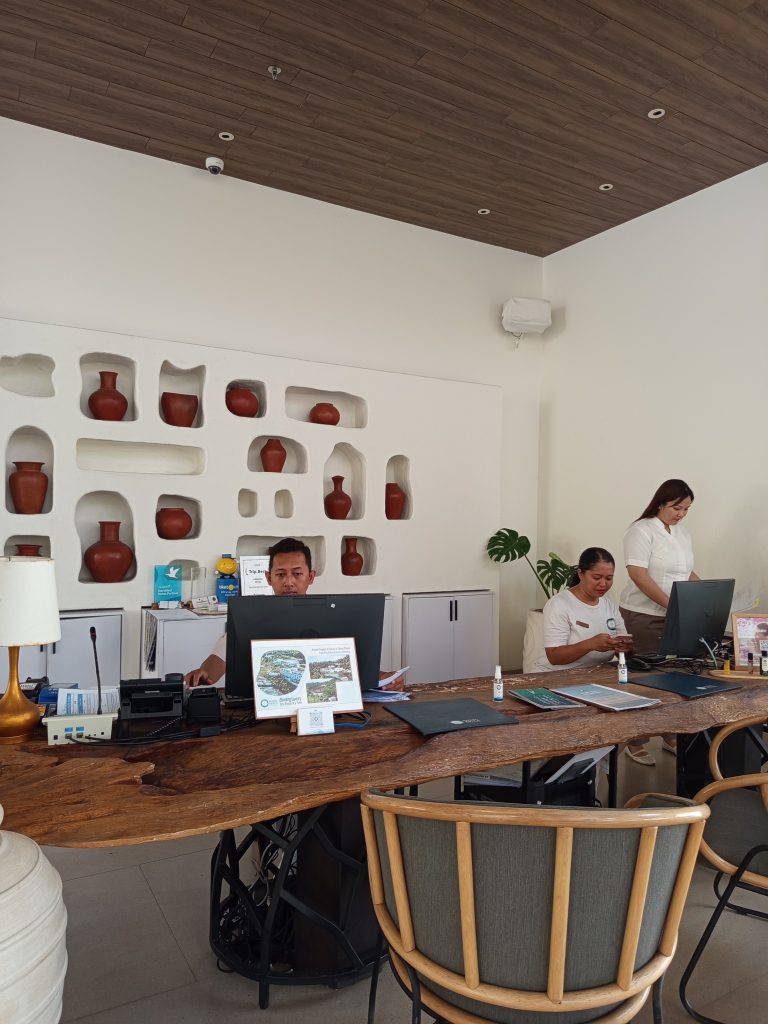
On that occasion the International Air Transport Association (IATA) and the World Sustainable Hospitality Alliance (WSHA) have agreed to strengthen alignment on sustainability between the airline and hospitality sectors. The agreement, signed at the World Sustainability Symposium, will have an initial focus on the procurement of hotel services by airlines.
Airlines and hotels face many similar environmental, social, and governance challenges. These include responsible procurement, environmental management, social responsibility, supply chain performance, and increasingly complex sustainability measurement and reporting expectations.
The two organizations will jointly develop practical sustainability guidance for airlines procuring hotel accommodation using IATA’s Integrated Sustainability Program (ISP) and WSHA’s Universal Sustainability KPIs Programme. The guidance will include sustainability evaluation criteria for hotel tenders, ESG concerns for contracting, and best practice case studies.
“Airlines’ sustainability performance includes many partners that support their operations. This collaboration will strengthen the ISP by connecting airline procurement priorities with the hospitality sector’s expertise and experience. The result will be stronger supplier engagement and better-informed procurement decisions that advance sustainability across the travel value chain,” said Marie Owens Thomsen, IATA’s Senior Vice President Sustainability and Chief Economist.
“Sustainability across the travel ecosystem cannot be achieved in silos. By joining forces with IATA, we are bridging the gap between aviation and hospitality to establish unified, practical standards for hotel procurement. This partnership empowers airlines and hotels alike to move beyond fragmented reporting, driving meaningful, measurable environmental and social impact across the entire travel value chain,” said Glenn Mandziuk, WSHA President & CEO.
Potential longer-term areas of cooperation include sustainability performance measurement and reporting, plastic and waste reduction, community engagement and human rights, climate resilience and resource efficiency. The organizations may also explore how closer airline-hotel cooperation could support sustainability outcomes at destination level and across the broader corporate and leisure travel value chains. *BTNewspaper