The Nature of Buleleng is Amazing
BULELENG District which is also often called North Bali (Denbukit) has tremendous potential in terms of all aspects. From the aspect of tourism, Buleleng keeps a million natural beauties and a myriad of unique cultures which are interesting to enjoy.
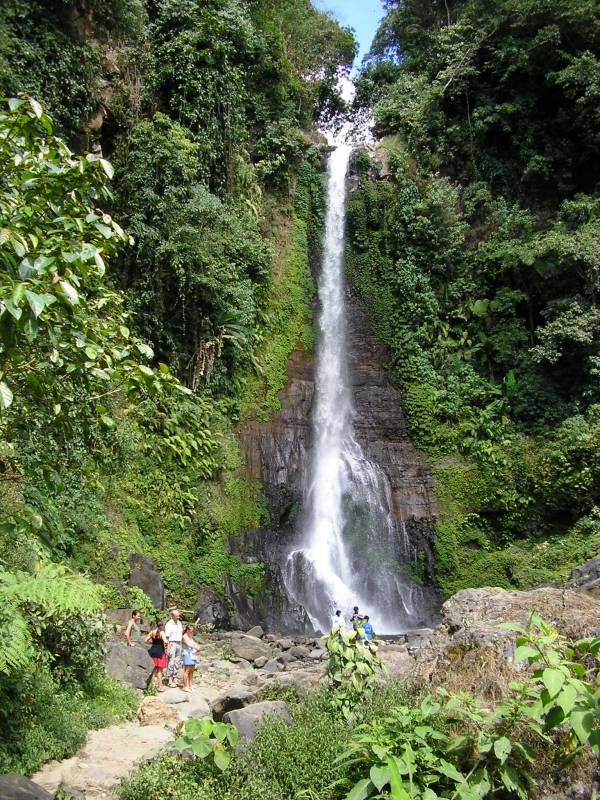
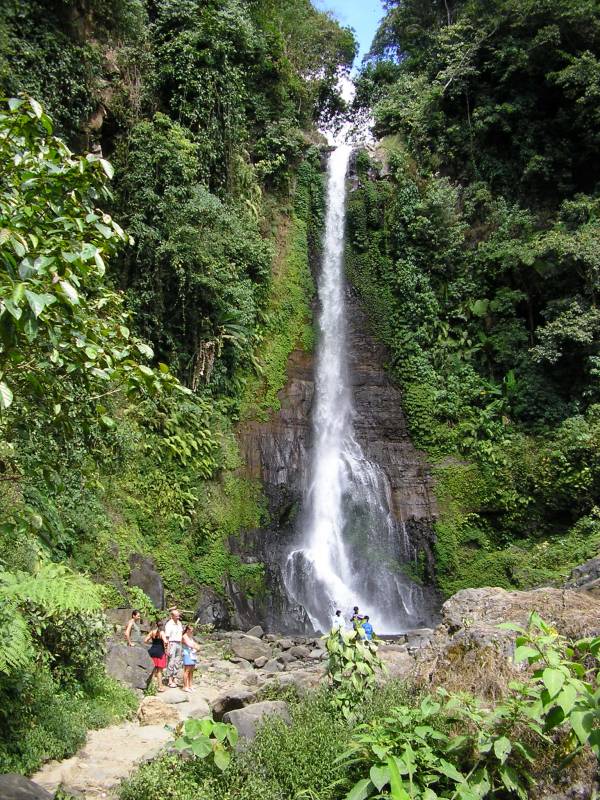
Buleleng with its hilly topography and its everlasting green forests gives birth to dozens of amazing waterfalls and always invites the admiration of the world. Until now, there are 25 (twenty five) waterfalls in Buleleng and the most famous one is the Gitgit Waterfall.
Gitgit Waterfall is located approximately 7 km south of Singaraja town. The waterfall with a height of 35 meters makes Gitgit waterfall the highest waterfall in Bali. The fall of 35 meters of water hitting the rocks of the hillside gives birth to a soft pounding that soothes the hearts of visitors.
It is not difficult for tourists to reach the Gitgit Waterfall. From the main road, visitors or tourists should only walk about 20 minutes to reach it. On the way, tourists will be entertained by forest animals, including the melodious chirping of small birds that cling to tree branches that thrive on hillside cliffs.
According to Sudama Diana, Head of the Buleleng Tourism Office, Buleleng’s nature is truly amazing. In the southern part is lined with hills that lie from the west end to east end, while in the northern part is the beach spreading along 157 km. The distance between the coast and the mountains is not that far away, so that the combination of the two creates an atmosphere of Nyegara-Gunung. Furthermore, Sudama Diana added that Buleleng with its hilly topography with evergreen forests has given birth to dozens of waterfalls which always bring benefits to all of us including benefits for Buleleng tourism.
“We have been blessed with the truly amazing nature of Buleleng and likewise we have been inherited a myriad of unique cultural arts. Let’s keep it sustainable. The development and innovation of tourism that we do must not destroy nature and eliminate the cultural uniqueness that we have inherited,” concluded Sudama Diana. *BTNewspaper/e/A. Suamba